

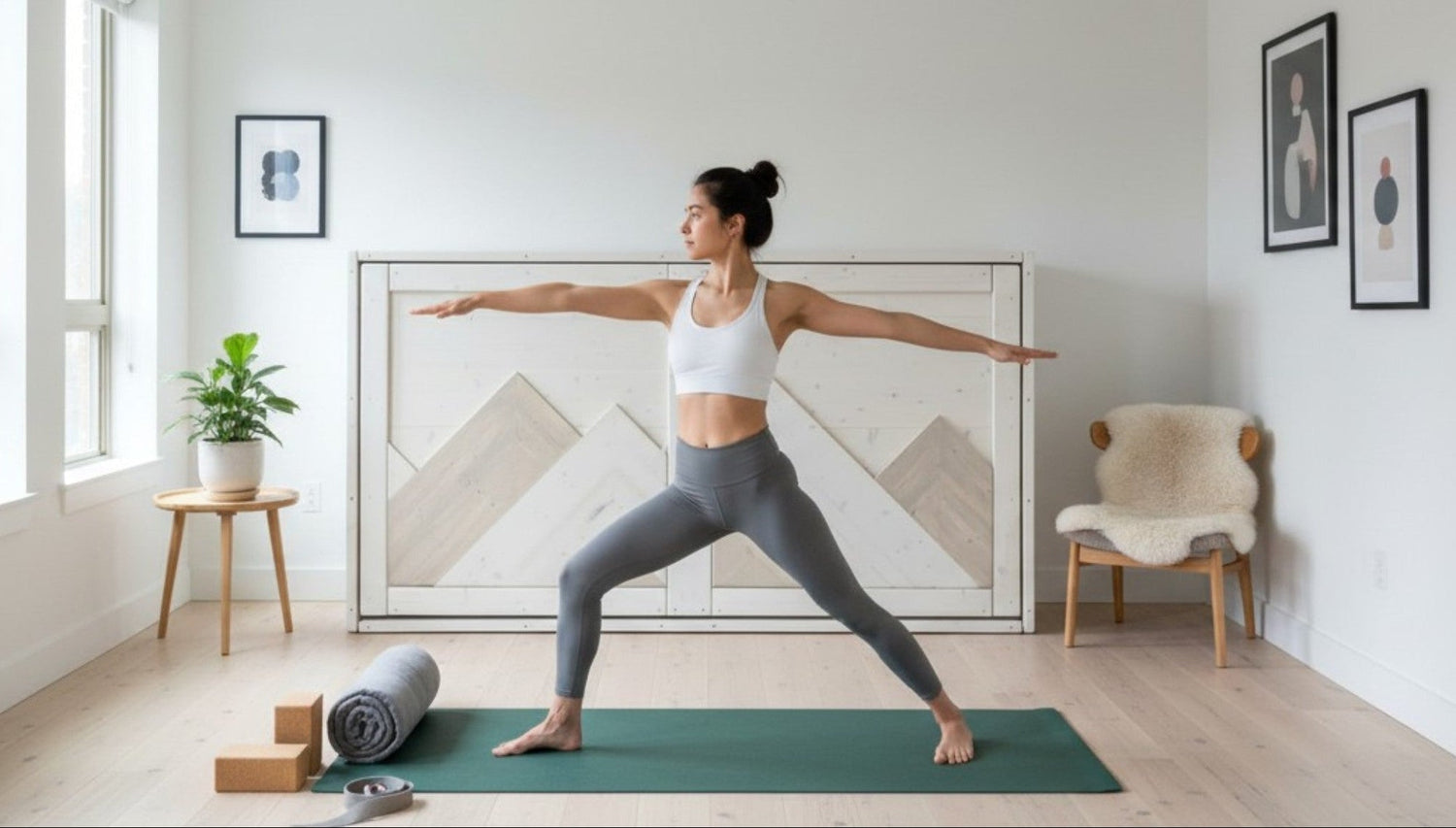
A small space can feel like a sanctuary or like a pressure cooker. Same square footage. Very different atmosphere. The difference is rarely the walls themselves. It is what lives inside them.
In compact homes, condos, cabins, and basement suites, every object has a louder voice. A pile of laundry becomes a visual shout. A bulky bed becomes a permanent stage hog. When space is limited, clutter does not whisper. It echoes.
Let’s look at why clutter feels heavier in a small space, and how thoughtful design choices, including but not limited to wall beds can restore calm, focus, and flow.
1. Your Brain Processes Everything in View
Your brain is constantly scanning your environment. It registers objects, movement, color, and unfinished tasks. In a large home, visual noise can disperse. In a compact home, it concentrates.
That pile of mail on the counter
The chair holding laundry
The desk that doubles as a dumping ground
In a smaller room, those items are never far from your line of sight. Your brain keeps reopening those mental tabs. The result is low-grade stress and decision fatigue. Decluttering helps, of course. But beyond removing items, design can reduce how much your brain has to process at once. Closed storage, clean lines, and vertical organization all reduce visual load. When your eyes rest, your nervous system follows.
2. Physical Space Influences Emotional Space
Humans are wired to prefer environments where movement feels easy. Clear pathways signal safety and control. When furniture blocks circulation, even subtly, your body reacts.
This is why bulky, static pieces can feel overwhelming in a small space. And nothing occupies more permanent territory than a traditional bed. In many compact bedrooms or studio layouts, a bed can take up the majority of usable floor space. Even when you are not sleeping, it dictates the room’s identity. Reclaiming that footprint changes everything.
This is where multi-functional solutions become powerful. Murphy beds allow a room to transform. When closed, they restore open floor area. When open, they provide full comfort with a standard mattress. Instead of sacrificing sleep quality, you gain flexibility.
But they are part of a larger ecosystem of smart design.
3. Layered Solutions Work Best
Creating calm in a small home is rarely about one dramatic change. It is about layers. Here are several space-saving strategies that work beautifully together:
Vertical Storage
Tall shelving and built-ins draw the eye upward and free up floor space. When items are organized vertically, the room feels taller and lighter.
Closed Cabinetry
Open shelving can look airy, but in a compact home it easily becomes visual clutter. Cabinet doors create visual quiet.
Lift-Top and Hidden Storage
Coffee tables with concealed compartments, storage ottomans, and beds with integrated drawers reduce surface mess.
Fold-Down Desks
A fold-down desk allows a home office to exist without permanently occupying the room.
Nesting Tables and Modular Seating
Furniture that expands when needed and disappears when not keeps your layout flexible.
Each of these ideas reduces clutter in its own way. Yet one truth remains: large footprint furniture has the biggest psychological impact.
4. The Bed Is the Largest Visual Anchor
In most homes, the bed is the single largest object in the room. In a compact layout, that presence can feel amplified. When a bed is permanently open the room is always a bedroom. Floor space is limited, movement is restricted and other activities feel secondary. In a small space, this can create a sense of confinement.
By contrast, wall beds change the room’s rhythm. During the day, the bed folds seamlessly into cabinetry, transforming the space into an office, studio, or family room. At night, it returns to a comfortable sleeping area. The square footage does not change. The experience does. Psychologically, that flexibility restores control. Your room adapts to you, instead of you adapting to it.
5. Clutter Interferes With Rest
Even if you can fall asleep in a cluttered room, your body may not fully relax. Visual chaos signals unfinished tasks. It reminds your brain that there is work to do. This is especially true in rooms that serve multiple purposes. A desk facing the bed can blur the boundary between productivity and rest.
Thoughtful zoning solves this. Some people use screens or shelving dividers. Others rely on fold-away furniture. A well-designed Murphy bed with desk allows one function to disappear as the other emerges. The room becomes intentional instead of conflicted. Your brain understands when it is time to work and when it is time to rest.
That clarity reduces background stress.
6. Quality Matters More in a Small Footprint
In compact homes, furniture is not just functional. It is architectural. A poorly made, bulky piece feels heavy. A thoughtfully crafted, solid wood piece feels grounded and integrated. Natural materials add warmth without visual chaos.
When a wall bed is designed as cabinetry rather than an afterthought, it contributes to the room’s design rather than competing with it. Clean lines and durable materials create cohesion, which further reduces visual noise. In a small space, fewer pieces of higher quality often feel better than many smaller, mismatched ones.
7. Freedom of Movement Restores Energy
Open floor space invites possibility:
- Space to stretch
- Space for children to play
- Space for guests to move comfortably
- Space to breathe
When you free up even a few extra square feet, the room feels lighter. Energy flows differently. You may find yourself using the space more creatively. This is why flexible furniture is so transformative in compact homes. From fold-down desks to modular seating to Murphy beds, the goal is the same: maximize function without sacrificing comfort.
Designing for Calm, Not Just Storage
Decluttering is not only about getting rid of things. It is about designing a home that supports your nervous system. Ask yourself:
- Can I move easily through this room?
- Do I see more surfaces than storage?
- Is my largest furniture piece limiting my flexibility?
- Could this room serve more than one purpose?
In many small space layouts, the biggest opportunity lies in rethinking the bed. Because it occupies so much square footage, replacing a permanently open frame with a well-crafted wall bed can have an outsized impact.
It is not about reducing comfort. Modern Murphy beds are designed for everyday use and support standard mattresses. You gain a real bedroom at night and real living space during the day.
A Thoughtful Next Step
Creating a calm, energizing home does not require a complete renovation. Sometimes it begins with small adjustments like vertical storage or hidden compartments. Sometimes it involves a larger shift, such as introducing multi-functional furniture that redefines how a room works.
If you are exploring ways to make your home feel more open, more flexible, and less draining, consider how reclaiming floor space could change the dynamic of your room. Well-designed wall beds are one powerful option within a broader small space strategy. When chosen thoughtfully, they can transform a crowded room into a versatile, restorative environment.
In a small home, every square foot has a voice. The goal is not silence. It is harmony.
If your small space feels heavier than it should, the solution may not be more bins or better folding techniques. It may be reclaiming the largest footprint in the room. Thoughtfully designed Murphy beds and solid wood wall beds can restore open floor space, improve flow, and help your home feel calm again. If clutter is crowding your energy, explore our collection of wall beds and see how a smarter layout can completely transform the way your space feels and functions.


Leave a comment
All comments are moderated before being published.
This site is protected by hCaptcha and the hCaptcha Privacy Policy and Terms of Service apply.